Visual Philosophy

Creating a Signature Style

Why a stronger portfolio usually comes from fewer choices

Most photographers reach a point where the work is technically solid, but the portfolio still feels scattered. A signature style is a clear direction that repeats on purpose.

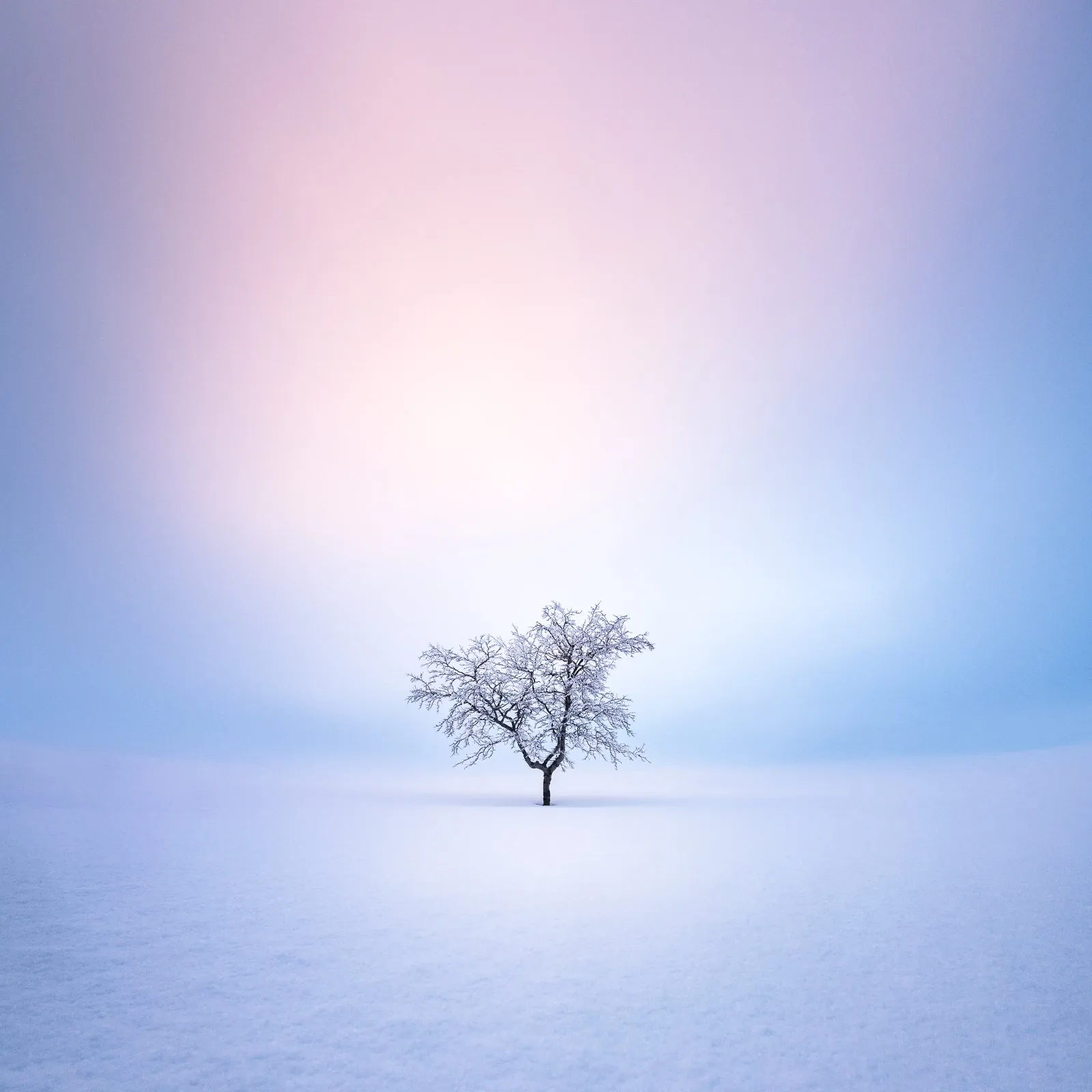
Atmospheric landscape photograph with a restrained visual tone

The portfolio problem

Early on, variety is useful because you learn by testing many directions. The issue starts when your public portfolio remains in that exploration phase.

A visitor sees only a small selection and decides quickly. If the visual language changes frame by frame, the direction feels unclear even when the technical quality is high.

A signature style is built through selection. The strongest move is often what you leave out.

Minimal landscape with restrained color

If you want a consistent editing baseline, explore the EPIC Preset Collection

If you want help shaping your own direction, see 1:1 mentoring

Define your visual anchors

A signature style is not one preset or one location. It is a repeated set of decisions that hold together across shoots and seasons.

Atmosphere

Return to the same weather character, such as fog, snowfall, or clear winter nights.

Light

Work with timing you trust, like blue hour, moonlight, overcast, or soft low-angle light.

Palette

Keep a controlled tonal range that stays recognizable over time.

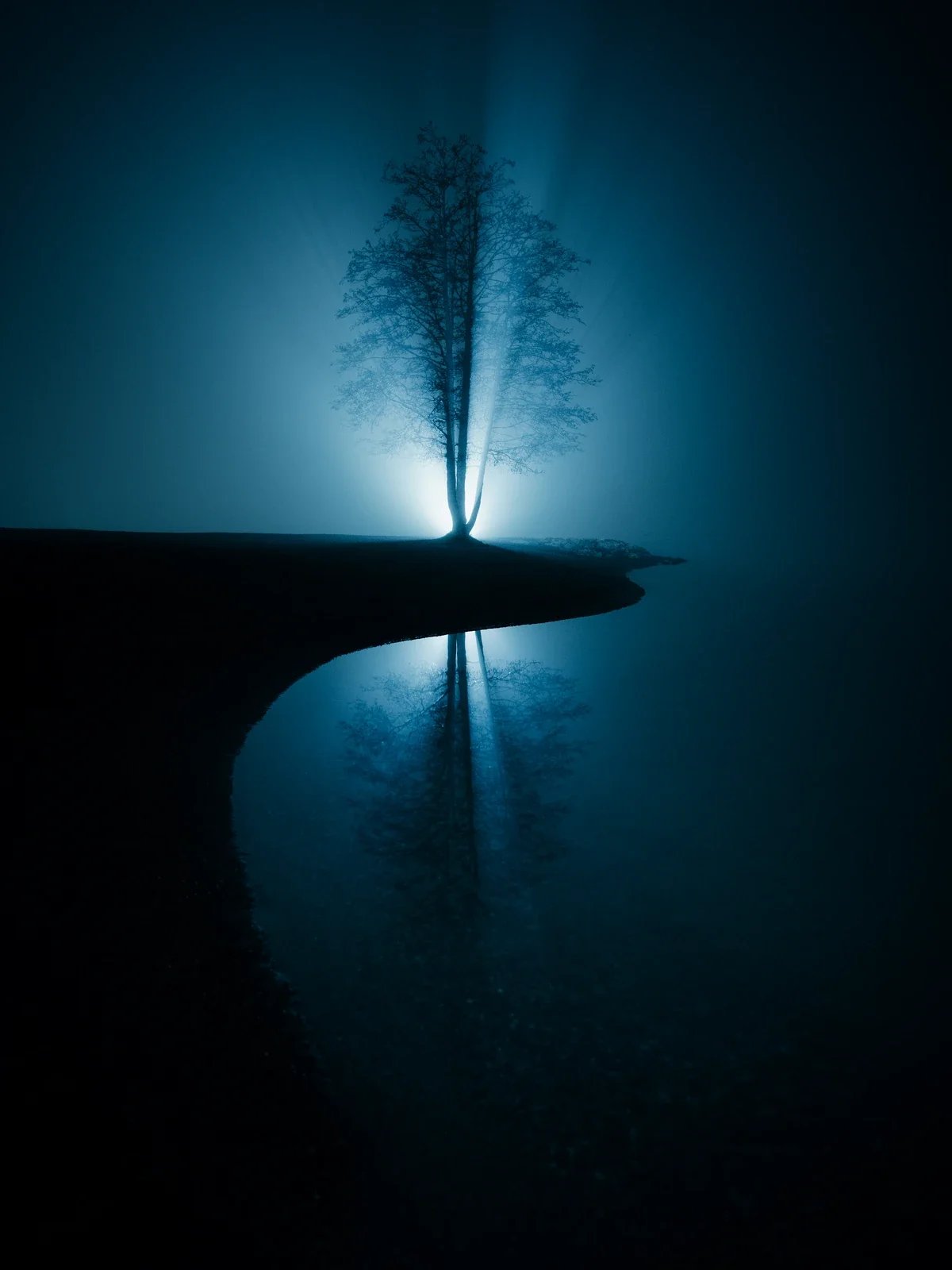
Blue-hour landscape with consistent tone
If an image needs a long explanation to fit, it probably does not belong in the set.

Consistency starts before editing

Editing refines direction, but it cannot replace one. Consistency starts in the field through what you choose to photograph and what you ignore.

Many photographers chase whatever looks dramatic in the moment. A stronger long-term body of work usually comes from returning to the same type of light and scene behavior.

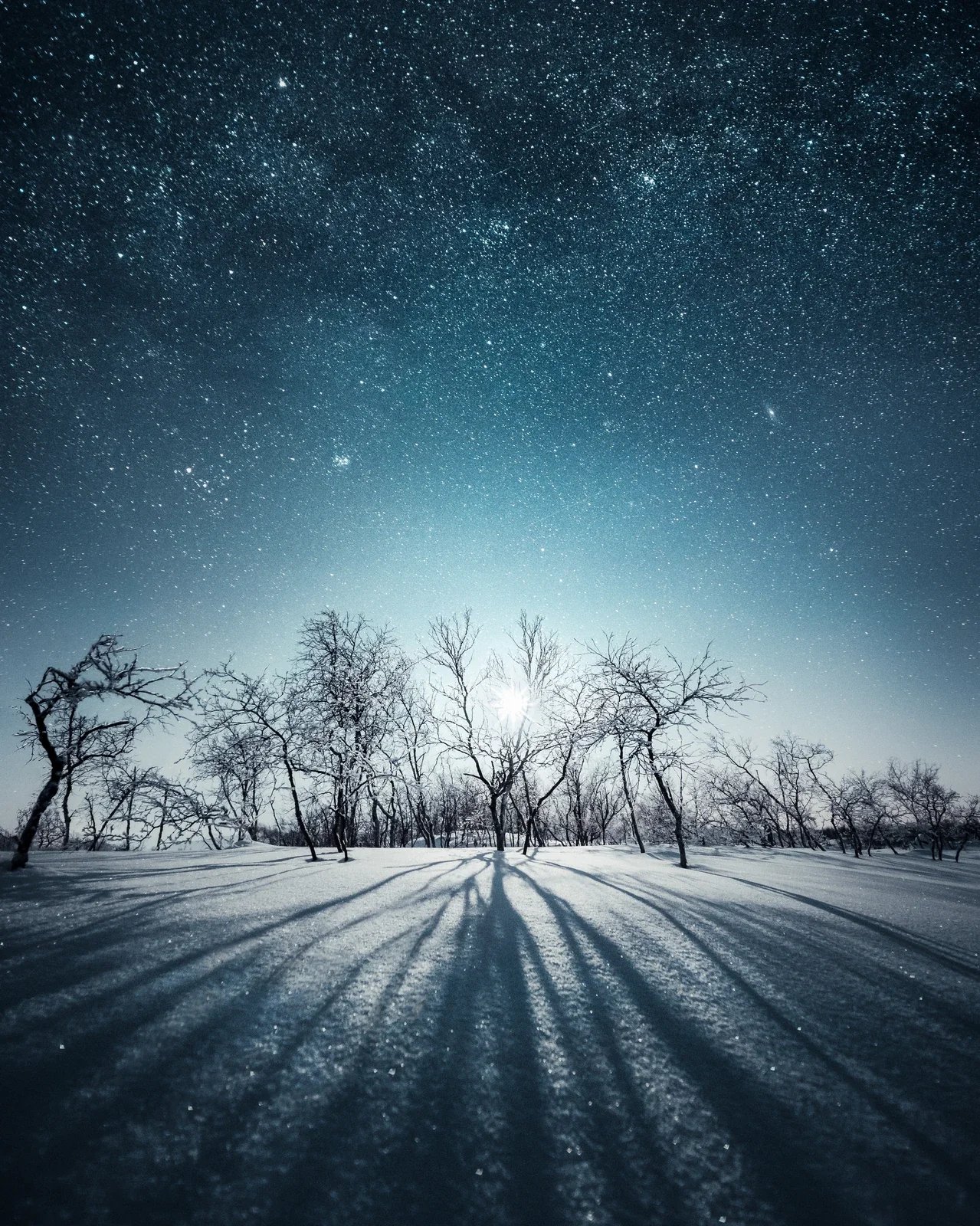
Landscape with consistent tonal range

Treat presets like film stock

Choose one baseline and commit to it. The objective is not to make every image identical, but to make the set feel related.

If an image needs a long explanation to fit, it probably does not belong in the set.

The wall test

A screen hides problems. A print does not.

A backlit display makes almost any image feel bright for a few seconds. A print lives in a room and is seen repeatedly.

If composition is restless or grading is trend-driven, the image becomes tiring over time.

A direct filter works: would you hang the image on your own wall for years?