Visual load in physical spaces
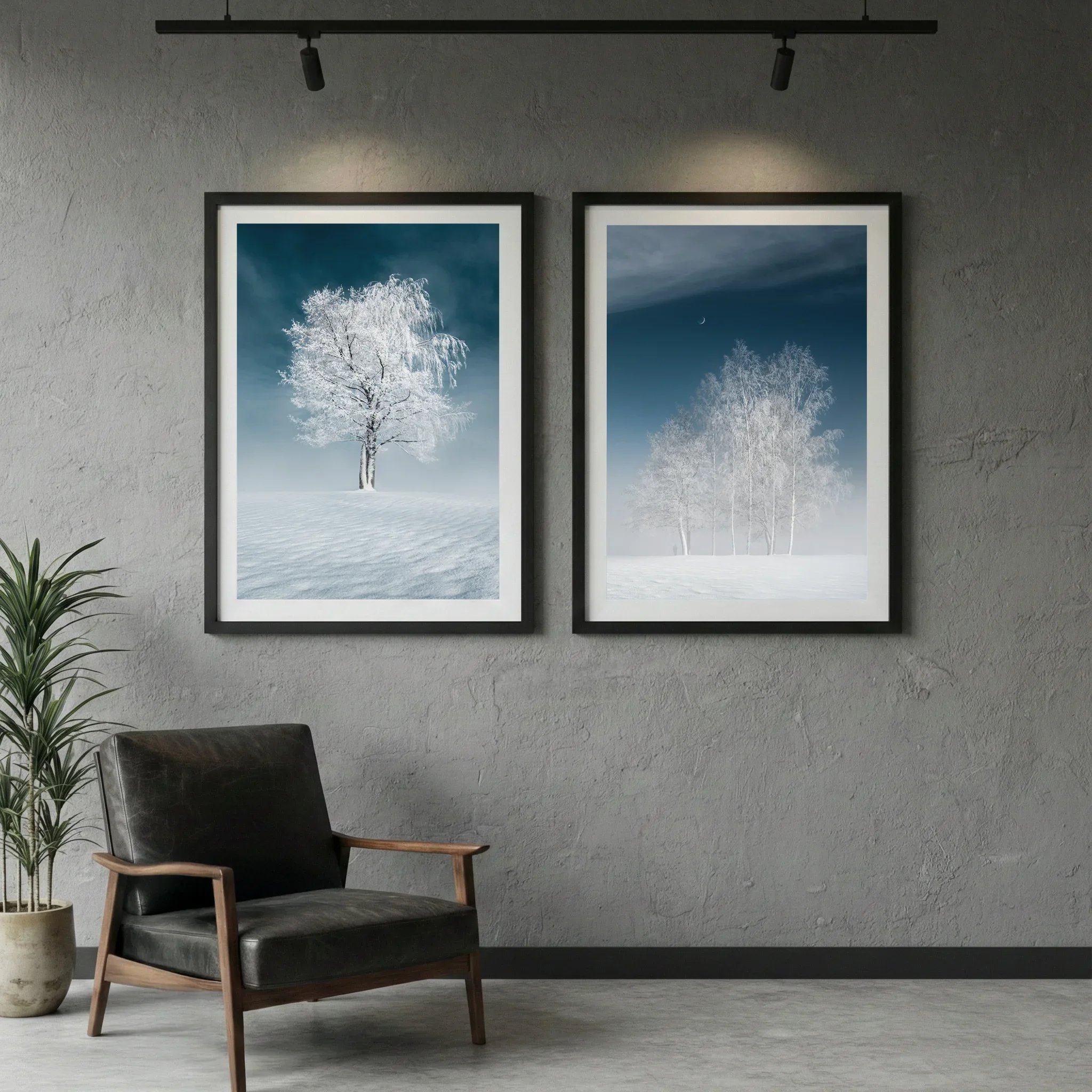
High-contrast, overstimulating visuals can increase room tension, especially in spaces where people need to focus or recover.
Calm photography helps reduce visual friction while still retaining emotional depth.
Spatial Experience
How visual tone affects room behavior
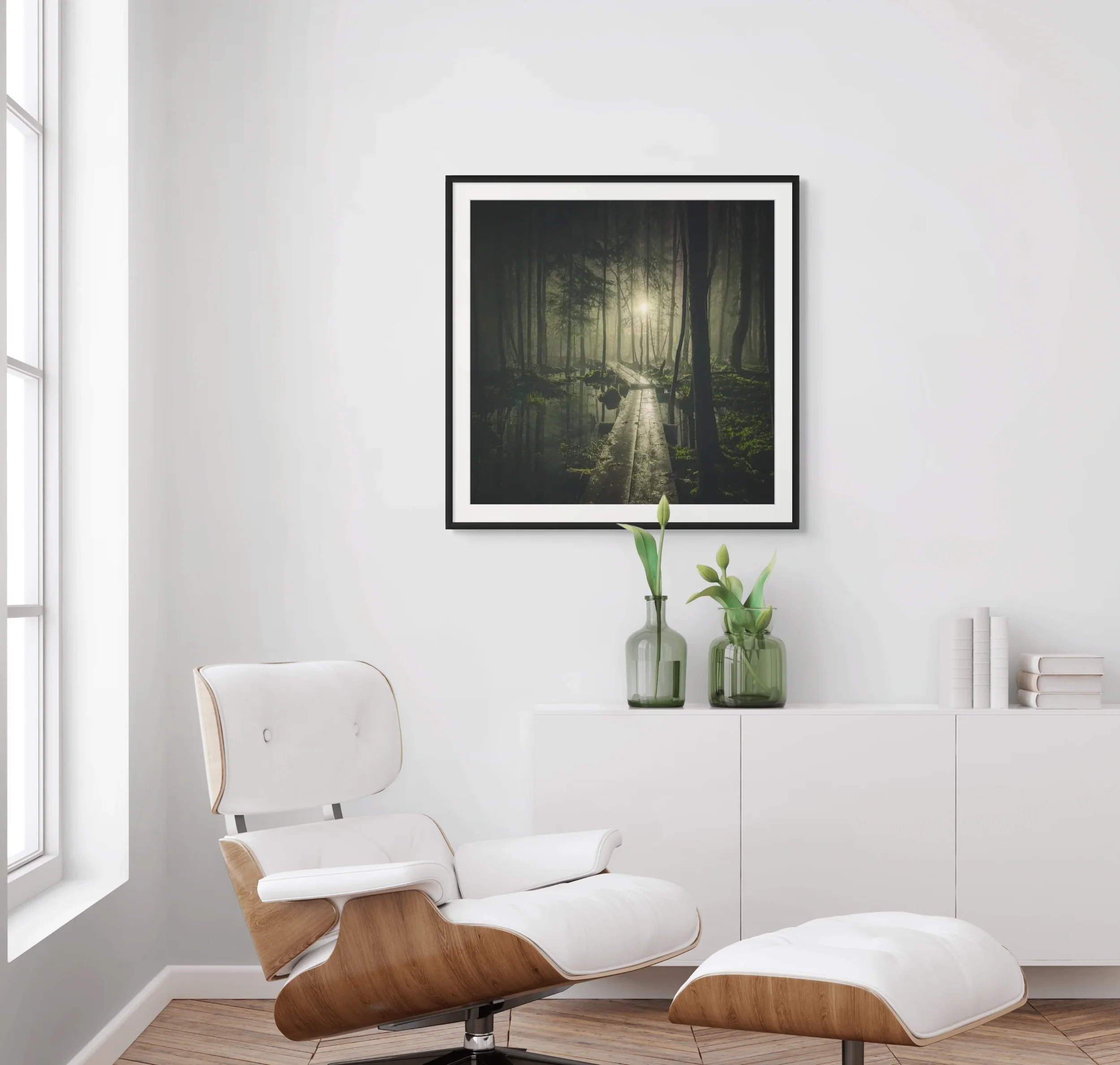
Visual atmosphere shapes how a room feels and how people behave inside it. Calm imagery can support focus, recovery, and cognitive comfort.
High-contrast, overstimulating visuals can increase room tension, especially in spaces where people need to focus or recover.
Calm photography helps reduce visual friction while still retaining emotional depth.
See placement examples in real-world contexts: Project use cases
Healthcare, hospitality, offices, and residential spaces all benefit from image systems that support regulation instead of distraction.
The objective is not decoration. It is a better cognitive environment.
Start with one mood family per zone and maintain consistent tonal range at scale.
Small improvements in visual coherence often produce noticeable improvements in perceived quality of space.
It influences behavior, not just aesthetics.
When image tone aligns with the purpose of a space, focus and comfort become easier to sustain.